Frequently Asked Questions
The most-asked questions about dance.
What is dance as a discipline?
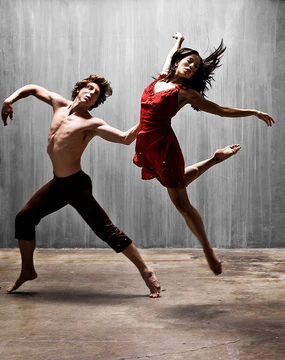
Dance is a performing art built on controlled, rhythmic body movement used to express emotion, tell stories, or simply celebrate physicality. It spans countless cultures and styles, from classical ballet to street hip-hop, and can be practiced as sport, therapy, or pure creative expression.
What are the major categories of dance?
The broadest groupings are classical (ballet, Indian classical, Chinese classical), modern/contemporary, social/partner (waltz, salsa, tango), and urban/street (hip-hop, breaking, house, popping). Within each, dozens of sub-styles exist, and many dancers blend across categories.
Who are some of the most influential figures in dance history?
Martha Graham, George Balanchine, and Alvin Ailey each reshaped the art in the twentieth century by redefining movement vocabulary and company structures. In street dance, pioneers such as Jeffrey Daniel and the Rock Steady Crew helped push breaking and hip-hop choreography onto global stages.
Where should a complete beginner start learning dance?
Most studios recommend enrolling in a foundational class in the style you're drawn to—ballet for structure, hip-hop for groove, or contemporary for expressiveness—two to three times a week. Consistency matters more than intensity, and beginner-level classes universally expect zero prior experience.
How old is dance as a human practice?
Cave paintings in France and rock art in South Africa suggest humans have used rhythmic body movement for at least 40,000 years. It predates written language and appears in every known culture, serving roles in ritual, storytelling, and social bonding.
What are the biggest international dance competitions?
For classical ballet, the Prix de Lausanne and the International Ballet Competition in Moscow are among the most prestigious. In street and urban dance, events like Red Bull BC One (breaking) and the multi-style World of Dance draw global audiences and top crews.
What is a choreographer and how does that role differ from simply being a dancer?
A choreographer designs and structures sequences of movement, deciding on timing, spatial patterns, and musical interpretation. While many choreographers also perform, the role is primarily creative and conceptual—closer to a director or composer than a solo performer.
What are some landmark moments that changed dance?
Martha Graham's 1930s works shattered ballet's rigid vocabulary and opened the door to modern dance. In 1982, the film Staying Alive and the rise of MTV thrust hip-hop choreography into mainstream visibility, and more recently, viral social-media clips have accelerated how new styles spread worldwide.
Do you need to be young or athletically gifted to start dancing?
No—dance studios and community programs welcome adults and people of all fitness levels. While competitive and professional paths often benefit from early training, recreational and expressive dance has no age cap, and many people discover it in their thirties, fifties, or later.
What organizations govern or support dance on a global level?
The World DanceSport Federation (WDSF) oversees competitive ballroom and Latin dance, while UNESCO has inscribed several traditional forms as intangible cultural heritage. Major institutional anchors like the Royal Ballet, the Paris Opera Ballet, and the Dance Theatre of Harlem anchor the professional classical scene.