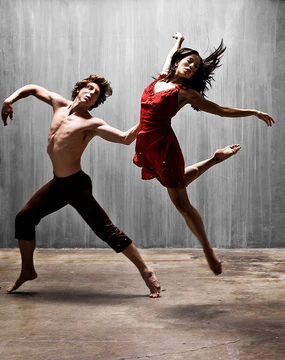
Flamenco
An Andalusian art form rooted in gitano and folk traditions.

Flamenco is an art form based on the folkloric music traditions of southern Spain, developed in part within the gitano subculture of the Andalusian region, with historical presence also in Extremadura and Murcia. It combines song, guitar, dance, compás, modal and tonal harmony, handclaps, footwork, and improvisatory variation, and is regarded as both a folk tradition and a complex musical system.
- field
- Music, dance, and song
- origin
- Southern Spain (Andalusia, Extremadura, Murcia)
- known_for
- Complex musical system combining song, guitar, dance, and improvisation
Lore & Background
Flamenco emerged at the end of the 18th century in cities and agrarian towns of Baja Andalusia, with Jerez de la Frontera cited as the first written vestige. It appeared from the convergence of urban subaltern groups, gitano communities, and journeymen of Andalusia.
Reader's Guide
Flamenco's significance lies in its evolution from a marginalized gitano-Andalusian expression to a globally recognized art form. Its musical sophistication, including modal and tonal harmony, improvisation, and formal conservatory study, has attracted both popular audiences and classical-music performers. The genre faced criticism from the Generation of '98, particularly Eugenio Noel, who saw flamenco and bullfighting as hindrances to Spain's development. Its legacy includes a continuous evolution of rhythm, poetic stanzas, and performance conventions, documented through theatre, song books, and graphic arts.
Frequently Asked Questions
What is Flamenco?
Flamenco is a multi-disciplinary art form from southern Spain that weaves together song, guitar, dance, handclaps, footwork, and improvisation. It grew out of the gitano subculture in Andalusia and also has roots in Extremadura and Murcia.
What elements make up a Flamenco performance?
A full expression of the art combines cante (song), toque (guitar), baile (dance), compás (rhythmic cycle), modal and tonal harmony, palmas (handclaps), and improvisatory variation. It is recognized both as a living folk tradition and as a highly structured musical system.
Why is Flamenco considered more than just a dance style?
Fans and scholars emphasize that Flamenco is a complete musical and performative ecosystem, not a single genre of movement. Its interplay of improvisation, rhythmic compás, vocal expression, and guitar technique makes it a complex system that resists being reduced to any one component.
More in Dance 1-24
Spotted an error? Know more?
This is a living reference — every entry is fact-audited, and reader corrections feed straight into our audit queue. Suggest an edit · See this site's audit record