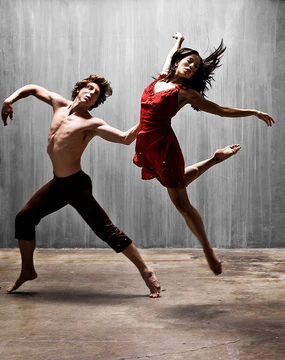
Street dance
Umbrella term for social dance styles born in urban spaces.

Street dance is an umbrella term for a large number of social dance styles, including breakdancing, popping, locking, house dance, waacking, voguing, and hip-hop dance. These vernacular dances are improvisational and social in nature, created organically from a culture, a moment in time, and a way of life, influenced by natural social interaction in an urban context.
- field
- Social dance styles
- known_for
- Originating outside dance studios in streets, parks, and clubs; giving voice to unrepresented communities
Lore & Background
Street dance evolved during the 1970s outside dance studios in any available open space, including streets, dance parties, block parties, parks, school yards, raves, and nightclubs. This was partly because African Americans who created the style were generally not accepted into dance studios because of their race. A significant feature of street dance is that it was historically a dance of young people offering a sense of freedom and giving a 'voice' to unrepresented communities.
Reader's Guide
Due to the mix of styles within street dance, its origin cannot be traced to one precise area, but America is the birthplace of most street styles. Breakdance originated in the Bronx and Lite Feet emerged in Harlem, both in New York City, while popping and locking developed during the 1970s funk era in California. Clogging, which evolved in the streets and factories of Northern England in the mid-19th century, is an early form of street dance. These dances are a part of the vernacular culture of the geographical area that they come from, encouraging interaction and contact with spectators and other dancers.
Did You Know?
- Street dance evolved during the 1970s outside dance studios in any available open space.
- African Americans who created street dance were generally not accepted into dance studios because of their race.
- Breakdance originated in the Bronx, while popping and locking developed during the 1970s funk era in California.
- Clogging, which evolved in the streets and factories of Northern England in the mid-19th century, is an early form of street dance.
Frequently Asked Questions
What is Street dance?
Street dance is a broad umbrella term for a family of social dance styles that developed organically in urban settings rather than in formal training environments. It covers forms such as breakdancing, popping, locking, house, waacking, voguing, and hip-hop dance.
What styles fall under the Street dance umbrella?
The category groups together several distinct social dances, including breakdancing, popping, locking, house dance, waacking, voguing, and hip-hop dance. Each grew out of a particular community and moment in time but shares a common improvisational, urban heritage.
Where did Street dance originate?
These styles were born in streets, parks, and clubs rather than in choreography studios. They were shaped by everyday social interaction and the rhythms of urban life, making them deeply tied to a specific place and culture.
What makes Street dance different from studio-based dance?
Street dance is inherently improvisational and social, emerging from a living culture and a particular moment rather than from a fixed repertory. Its roots in unrepresented communities give it a raw, organic quality that formal studio traditions typically lack.
Why is Street dance culturally significant?
It provided a creative voice to communities that were often excluded from mainstream artistic institutions. By turning ordinary urban spaces into stages, it transformed lived experience into a shared, expressive language for entire neighborhoods.
More in Dance 1-24
Spotted an error? Know more?
This is a living reference — every entry is fact-audited, and reader corrections feed straight into our audit queue. Suggest an edit · See this site's audit record