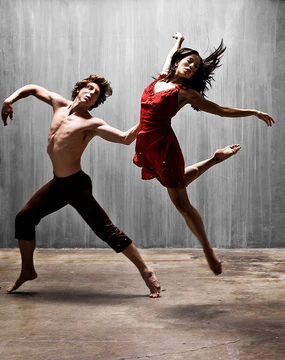
Swing (dance)
A category of social dances developed with swing jazz music.

Swing dance is a category of social dances that developed with the swing style of jazz music in the 1920s–1940s, with the origin of each dance predating the swing era. Hundreds of styles of swing dancing were developed; those that have survived beyond that era include Charleston, Balboa, Lindy Hop, West Coast Swing, and Collegiate Shag. Today, the best-known of these dances is the Lindy Hop, which originated in Harlem in the early 1930s. While the majority of swing dances began in African-American communities as vernacular African-American dances, some influenced swing-era dances, such as Balboa, that developed outside of these communities.
- field
- Social dance
- known_for
- Category of dances developed with swing jazz music, 1920s–1940s
Lore & Background
Swing dance was not commonly used to identify a group of dances until the second half of the 20th century. Historically, the word swing referred to a style of jazz music, which inspired the evolution of the dance. Jitterbug is any form of swing dance, though it is often used as a synonym for the six-count derivative of Lindy Hop called 'East Coast Swing'. One who danced swing was called a swing dancer. The term was famously associated with swing era band leader Cab Calloway because, as he put it, the dancers 'look like a bunch of jitterbugs out there on the floor' due to their fast, often bouncy movements. Original forms dating from the 1920s and early 1930s include Balboa, a very fast eight-count dance in closed position that evolved in the mostly conservative dance halls of southern California. Charleston is danced partnered or solo, often to faster music, and includes a number of positions. Collegiate Shag is done primarily to up tempo swing and sometimes pre-swing jazz music, believed to have originated in the Carolinas in the 1920s. Lindy Hop evolved in the early 1930s, a dance of African American origin characterized by a high degree of physical vigor and an eight-count basic called the 'swingout'.
Reader's Guide
Swing dance represents a significant cultural and historical development in social dance, emerging from the swing jazz era of the 1920s–1940s. Its roots in African-American communities gave rise to iconic dances like the Lindy Hop, which became the best-known swing dance today. The term 'swing dancing' is often extended to include later derivatives such as West Coast Swing, East Coast Swing, Jive, Rock and Roll, and Modern Jive. A strong tradition of social and competitive boogie woogie and Rock 'n' Roll in Europe adds these dances to their local swing dance cultures. The legacy of swing dance endures through continued practice worldwide, with styles like Balboa, Charleston, and Collegiate Shag still danced by enthusiasts. Its influence is seen in both social and competitive contexts, preserving the improvisational and energetic spirit of the original era.
Did You Know?
- Swing dance was not commonly used to identify a group of dances until the second half of the 20th century.
- The term 'jitterbug' was famously associated with swing era band leader Cab Calloway because dancers 'look like a bunch of jitterbugs out there on the floor'.
- Balboa evolved in the mostly conservative dance halls of southern California where space was limited and strict codes of conduct were enforced.
- Collegiate Shag is believed to have been the first and most popular swing dance of the original swing era.
Frequently Asked Questions
What is Swing (dance)?
Swing (dance) refers to a broad category of social dances that grew up alongside the swing style of jazz music during the 1920s through the 1940s. Each individual dance within the category actually predates the swing era itself, but they became closely associated with that musical movement.
Which specific dances are part of the Swing category?
Hundreds of styles were developed under the swing umbrella, but the ones that have endured beyond the era include Charleston, Balboa, Lindy Hop, West Coast Swing, and Collegiate Shag. Of these, Lindy Hop is by far the most widely recognized today.
Where did the Lindy Hop originate?
The Lindy Hop, the best-known swing dance, took shape in Harlem in the early 1930s. It remains the flagship style that most people associate with swing dancing today.
What is the cultural background of most swing dances?
The majority of swing dances began as vernacular African-American social dances rooted in Black communities. However, a few styles, such as Balboa, were influenced by non-African-American traditions before merging into the broader swing dance world.
Why is the Swing dance category significant in dance history?
Swing (dance) represents one of the most vibrant periods of social dance innovation, producing hundreds of distinct styles over just a couple of decades. Its legacy persists because several key dances—especially the Lindy Hop—remain actively danced and taught worldwide.
More in Dance 1-24
Spotted an error? Know more?
This is a living reference — every entry is fact-audited, and reader corrections feed straight into our audit queue. Suggest an edit · See this site's audit record